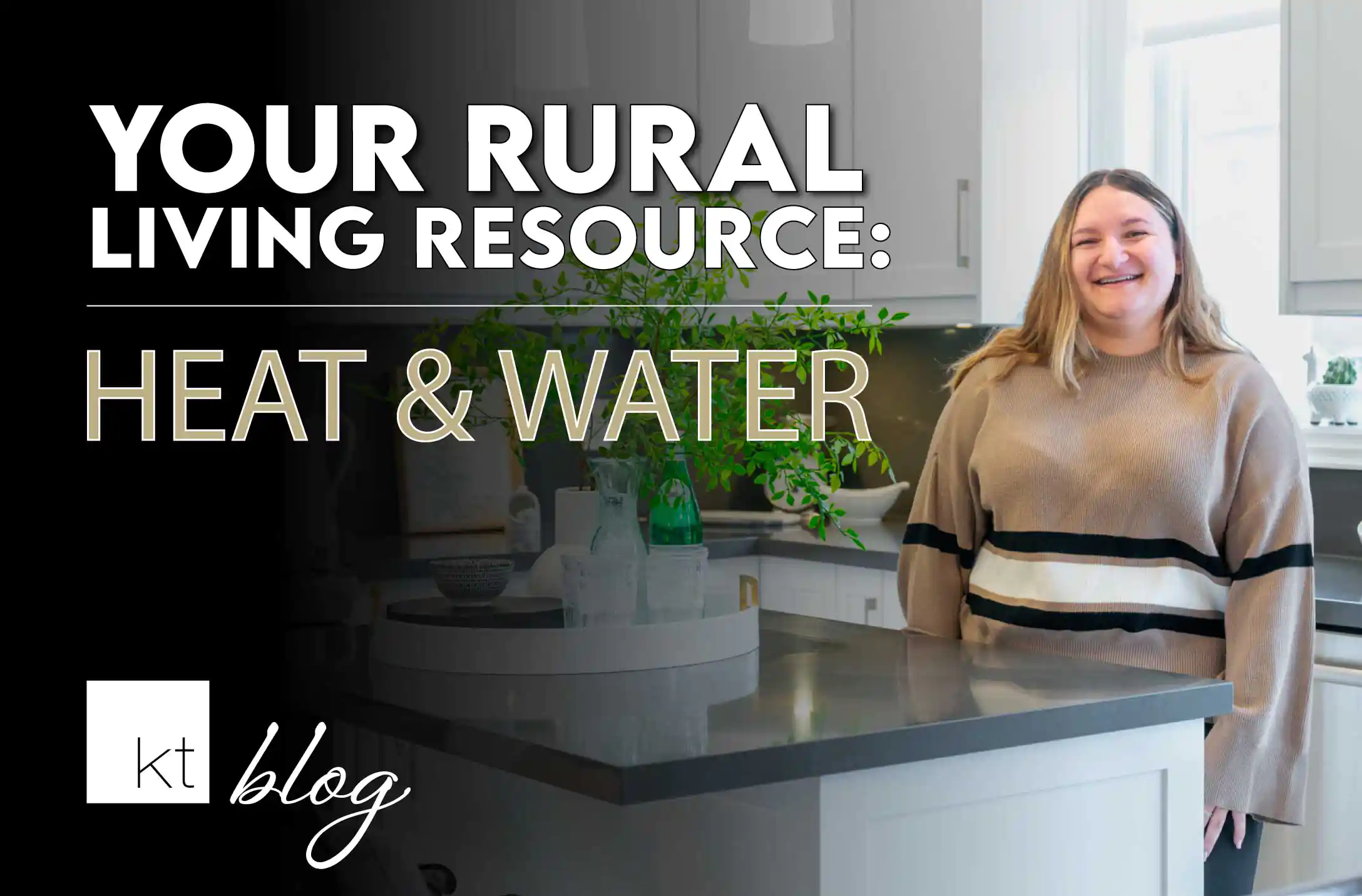

Things to consider when moving to a rural property
Dreaming of trading city life for open space and fresh country air? You’re not alone! Although many companies are having people trek into the office more often than recent years have demanded, our Milton Realtors have confirmed that rural living still ranks high on buyer wish lists. Depending on how far you’re willing to venture from your urban hub, rural living often offers larger houses, more property, and a quieter lifestyle, often for the same price. But before you make the move, there are some key differences between urban and rural homes to be aware of.
What to know before buying a house with a septic system
Unlike city homes connected to municipal sewers, most rural properties rely on septic systems to manage wastewater. Septic systems are relatively low-maintenance and only require pumping out once every so often, depending on your usage and the size of the tank. What’s most important for regular use is ensuring that only septic-safe items go into the tank. Flushing anything other than human waste and septic-friendly toilet paper can result in a shortened lifespan for various components, increased repair costs, and headaches. Below is a list of what not to put down the drain:
DO NOT put these into a septic system:
- “Flushable” wipes (baby wipes, cleaning wipes, makeup wipes — none are truly flushable)
- Paper towels, napkins, Kleenex
- Feminine hygiene products (tampons, pads, applicators)
- Cotton balls, cotton swabs, dental floss
- Condoms
- Bandages or bandage wrappers
- Toilet cleaning pads (disposable scrubbers)
- Cigarette butts
- Cat litter (including “septic-safe” versions)
- Grease, fat, or cooking oil
- Food scraps (even small amounts)
- Coffee grounds
- Eggshells
- Pasta, rice, or bread (they swell and clog lines)
- Flour or dough
- Harsh chemical cleaners
- Bleach in large or frequent amounts
- Paint, paint thinner, or solvents
- Dish water with heavy grease content
What to find out before buying a home with a septic system
It’s important to gather as much intel on the septic system before submitting an offer to purchase, and certainly before firming up on the deal. Septic systems can last a very long time, with minimal ongoing expenses, so long as they’re in good condition and cared for. Here are some things to find out about the septic system before buying your rural dream home:
- System Age & Condition – Older systems may require costly repairs.
- Capacity – Can it handle your household size and any future renovations?
- Construction material and lifespan – Not all systems are built alike. Find out exactly what you’re getting and what you can expect.

How are rural homes heated?
While some rural properties have access to natural gas, most do not. Common alternatives include geothermal, propane, oil, or electricity.
Is it expensive to heat your home with propane?
There are several considerations when comparing systems on cost, but electricity typically ranks highest, followed by propane, natural gas, and geothermal. If you’re unfamiliar with these heating sources and budget-oriented, include a condition in your offer, or simply ask your Milton real estate agent to get you copies of the utility bills from the past 12 months. Adjusting for the size of the family currently occupying the home compared to yours will provide insight into what you can expect.
PRO TIP: If a home is running on oil or electricity, an upgrade to propane, or even natural gas, may be a feasible option. Also, remember that insurance companies will have additional questions pertaining to oil-fueled heat sources.
PRO TIP II: Using a thermal imaging camera during visits to properties may provide insight into areas of heat loss in your home. A lack of insulation in exterior walls or the attic, and old window and door seals are common culptrits. Your real estate agent may include this in their real estate services, and you can select a home inspector who includes this as well.
Are wood-burning stoves safe?
It’s common to find rural homes with wood-burning stoves. These appliances can supplement, if not completely replace, the need for a traditional furnace. Keep in mind that your insurance company will require a WETT inspection — regardless of the fuel type. Not only can they help keep costs down, but they also add a level of charm that’s hard to resist.
What is a WETT Inspection?
A WETT inspection is a safety inspection performed by a technician certified in Wood Energy Technology Transfer. It assesses wood-burning appliances—such as fireplaces, wood stoves, and chimneys—to ensure they’re installed correctly, vent properly, and operate safely.
Homeowners often need a WETT inspection for insurance, real estate transactions, or when installing or modifying a wood-burning system. It helps identify fire hazards, code issues, and maintenance needs so the appliance can be used safely.

What to consider before buying a home on well water
City homes have a steady supply of municipal water, but in rural areas, your water typically comes from a private well on the property. Well water can be cleaner and more mineral-rich than municipal water, but you’re responsible for testing it and any system repairs.
What to do before buying a house on well water:
- What’s the recovery rate? — How quickly does the water supply replenish as it’s being used?
- Take a sample to your local municipal testing center. A quick Google search will list locations to pick up supplies and drop off samples.
- What’s the condition of the well system? Repairs can be expensive!
- Dug or Drilled? Drilled wells are common practice these days, but that doesn’t inherently mean that a dug well is inadequate or should pose concern.
Speak with a professional well company to test and advise on the condition and considerations of the well at the property you’re considering buying.
PRO TIP: Private wells rely on electric pumps to get the water into your home. During power outages, you’ll be without water, too, unless you have a backup power supply. Alternatively, keep jugs of water stored for emergencies.
Is Rural Living Right for You?
Moving to the countryside comes with big lifestyle changes—some great, some challenging. If you’re considering making the switch, KT Realty, your Milton real estate agents, can help you navigate the process! Call us at 1 (800) 617-0090 or contact us here!
Need professional inspections or upgrades? We can also connect you with trusted contractors for wells, septic systems, and heating solutions.
Is buying a rural property a good idea in Milton?
Buying a rural property in Milton can be a great option for buyers looking for more space, privacy, and value. However, working with experienced Milton real estate agents is key to understanding differences like septic systems, wells, and heating options before making a decision, as well as the nuances of how local conservation authorities may have governance over future uses and development, surrounding agricultural uses, and how they may impact your personal use and enjoyment of the property, etc.
What should I know about septic systems before buying a home?
If you’re buying a rural home, your Milton real estate agent should help you gather details on the septic system’s age, condition, and capacity. A well-maintained system can last decades, but poor upkeep can lead to costly repairs. The size can be a key consideration for future additions, too.
Are well water systems safe and reliable in rural homes?
Yes, but they require responsibility. Unlike city water, private wells must be tested regularly. Milton realtors often recommend testing water quality and checking the well’s recovery rate before purchasing a rural property. Conditions to address these key considerations can be negotiated into an agreement of purchase and sale.
Is it more expensive to heat a rural home?
Heating costs can vary depending on the system. Rural homes often use propane, oil, or electric heat instead of natural gas. A Milton real estate agent can help you review past utility bills to better understand expected costs.
What is a WETT inspection and do I need one?
A WETT inspection evaluates the safety of wood-burning stoves and fireplaces. Many rural homes have these features, and insurance companies often require this inspection before approving coverage.
What are the biggest differences between urban and rural homes?
Rural homes typically rely on private systems for water and waste, such as wells and septic tanks. Milton real estate agents help buyers understand these differences so there are no surprises after moving in.
Should I get inspections before buying a rural property?
Absolutely. In addition to a standard home inspection, Milton realtors often recommend septic inspections, well testing, and heating system evaluations to ensure the property is safe and functioning properly.
Is rural living right for everyone?
Rural living offers space and privacy, but it also comes with added responsibility for maintenance and utilities. Speaking with Milton real estate agents can help you determine if a rural lifestyle aligns with your needs and expectations.